Robotic Laser Hair Removal Logically Is Not Far Away
Key takeaways
- Automation in aesthetics targets specific tasks, not entire roles.
- The competitive advantage is shifting toward human-led experiences.
- The strongest brands use automation behind the scenes, not as the headline.
- High-risk areas for automation include protocols, admin, diagnostics, and repeatable treatments.
Automation is quietly entering medical aesthetics and when we see Government incentives to be AI Ready, then it is time to take notice. . It is not a sudden disruption but a gradual shift in how treatments are delivered, decisions are made, and time is allocated inside clinics. While fully autonomous laser treatments may still feel distant, the underlying technologies already exist. The real question is not whether automation will enter the clinic, but how it will reshape the balance between efficiency and human experience.
The Idea Is Closer Than It Feels
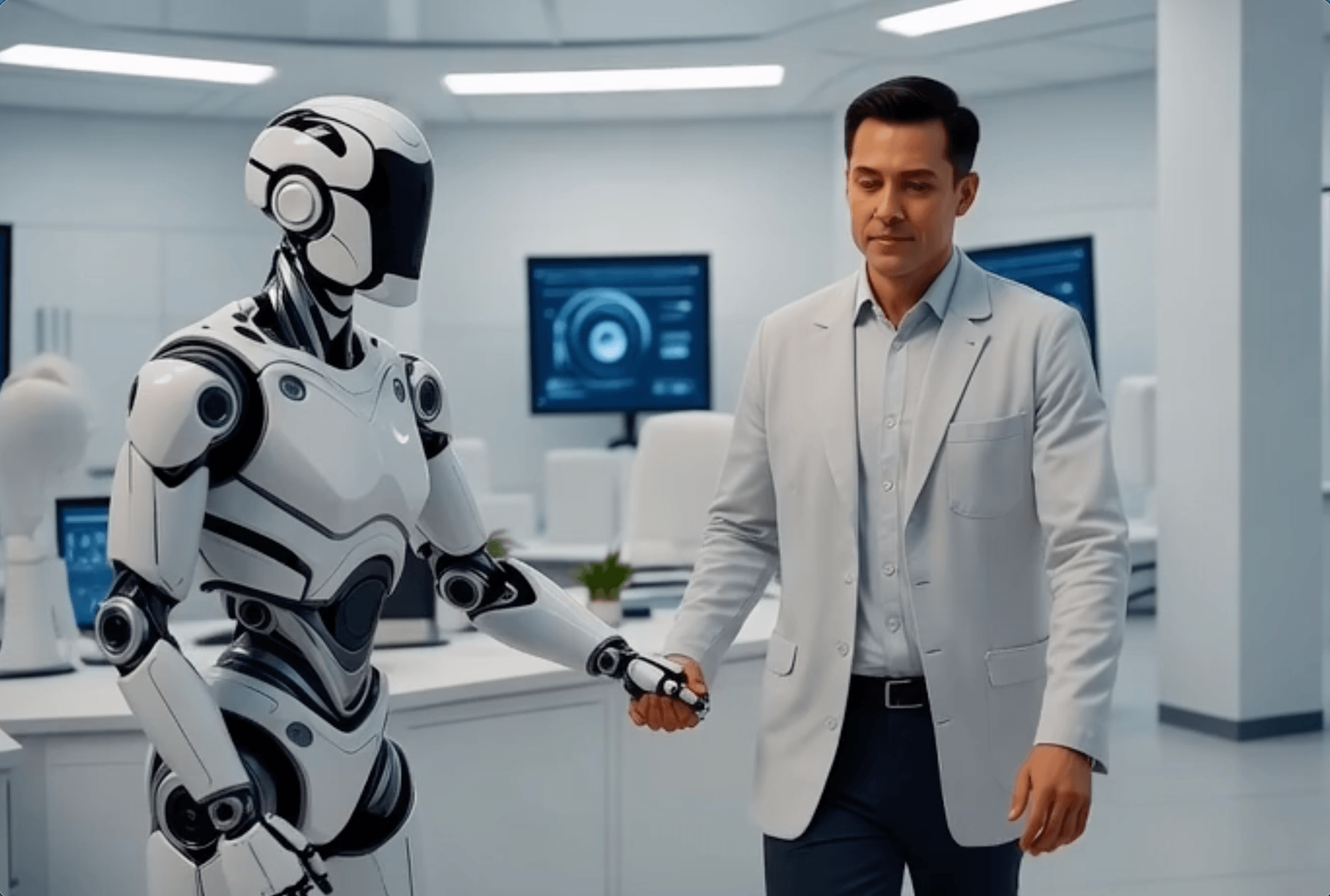
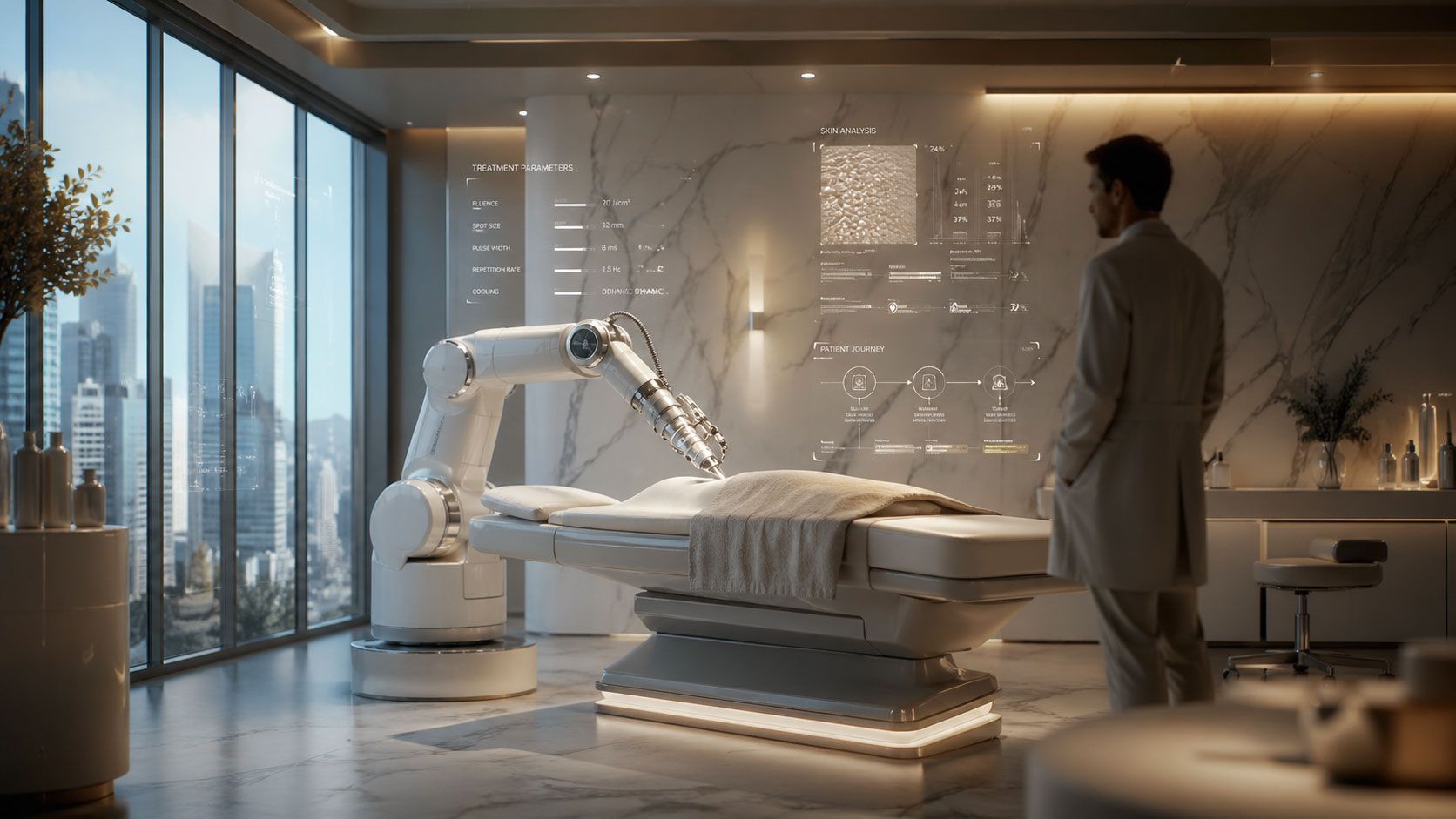
Do you imagine a time when laser hair removal is delivered without an operator? It is not difficult to picture. Large chains like Therapie Clinic have already scaled highly systemised treatment models, and the broader medical field has long embraced robotic assistance through platforms like the da Vinci Surgical System.
Laser treatments are structured by design: defined protocols, controlled energy delivery, and repeatable movement patterns. From a systems perspective, they are highly automatable. Which makes the direction of travel fairly obvious.
Automation Does Not Replace People — It Deconstructs Roles
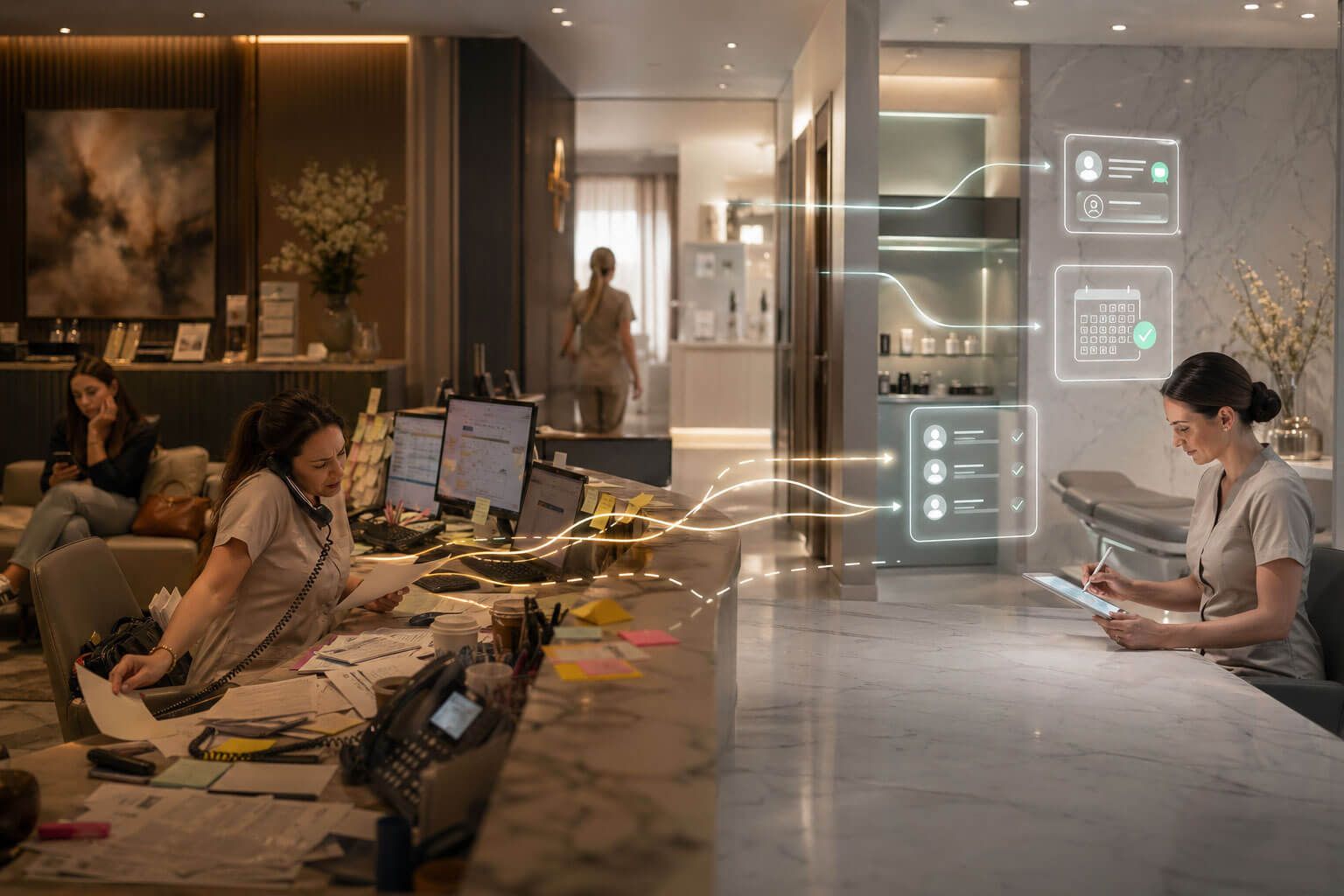
Across every industry, automation follows a predictable pattern. It does not remove entire professions; it breaks them down. How AI is influencing the clinic patient journey.
In aesthetics, that means:
- Consultation triage becomes AI-assisted
- Treatment planning becomes data-informed
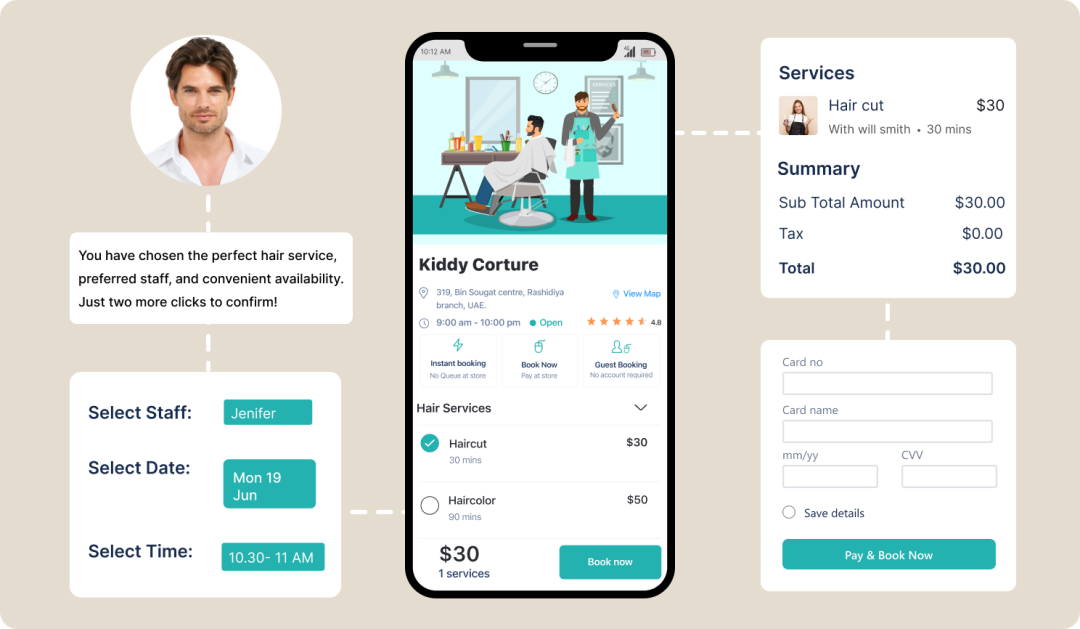
- Follow-ups become automated
- Execution becomes partially systemised
We are also seeing credible developments in AI systems that learn by observing human behaviour, watching how tasks are performed and then replicating them.
The implication is subtle but significant: anything repeatable becomes trainable.
The Industry Is Not Immune — It Is Uneven
Aesthetics often positions itself as protected from automation. And to a degree, it is. The emotional and relational components of care — how a practitioner listens, advises, and builds confidence — are not easily replaced.
But the operational side of clinics tells a different story. The industry is split:
- Low-risk for automation: trust, nuance, personal connection, aesthetic judgement
- High-risk for automation: protocols, admin, diagnostics, repeatable treatments
Understanding that divide is critical. Because most clinics currently compete on elements that are becoming easier to replicate through technology.
The Real Shift: Efficiency Creates Time
There is a tendency to frame automation as something that reduces human involvement. In practice, the more valuable outcome is different: it reduces friction.
When used properly, automation:
- Removes admin overhead
- Standardises repetitive processes
- Reduces cognitive load for practitioners
And in doing so, it creates something increasingly scarce in clinic environments: time with patients. That is where the real leverage sits — not in replacing practitioners, but in amplifying their ability to focus on what matters.
AI Systems Your clinic's AI-first operating system — reduce admin, automate follow-up and convert more enquiries into booked patients.
AI Aesthetic ClinicsA New Positioning Opportunity Is Emerging
Most clinics will approach automation in one of two ways: as a cost-efficiency tool or as a technological differentiator. Both are valid. Neither is particularly defensible long term.
The more interesting opportunity sits elsewhere. As automation becomes more visible in everyday life, consumer behaviour is already shifting. There is a growing premium on experiences that feel personal, attentive, and human.
This creates space for a different kind of positioning: clinics that automate aggressively behind the scenes so they can be visibly, deliberately human at the front. Or even more strategically: clinics that position themselves as a break from automation entirely.
Before Fully Autonomous Treatments Arrive
We are not on the verge of fully robotic aesthetic clinics appearing overnight. But we are already moving down that path.
The clinics that benefit will not be the ones that adopt the most technology, or the ones that resist it entirely. They will be the ones that understand where automation creates value and where it erodes it.
Because before machines replace practitioners, something more immediate will happen: clinics that strike the right balance between systemisation and human experience will outperform those that do not.
How Aestute Helps Clinics Navigate This Shift
Our Clinic Operating System takes your existing channels and turns them into one integrated, automated-yet-human workflow. We qualify and improve what you already have, centralise management, and free your team to focus on high-value patient time — exactly where the future competitive edge lies.
Ready to build a system that balances automation with authentic experience? Book a free Aesthetic Clinic Growth Review.